
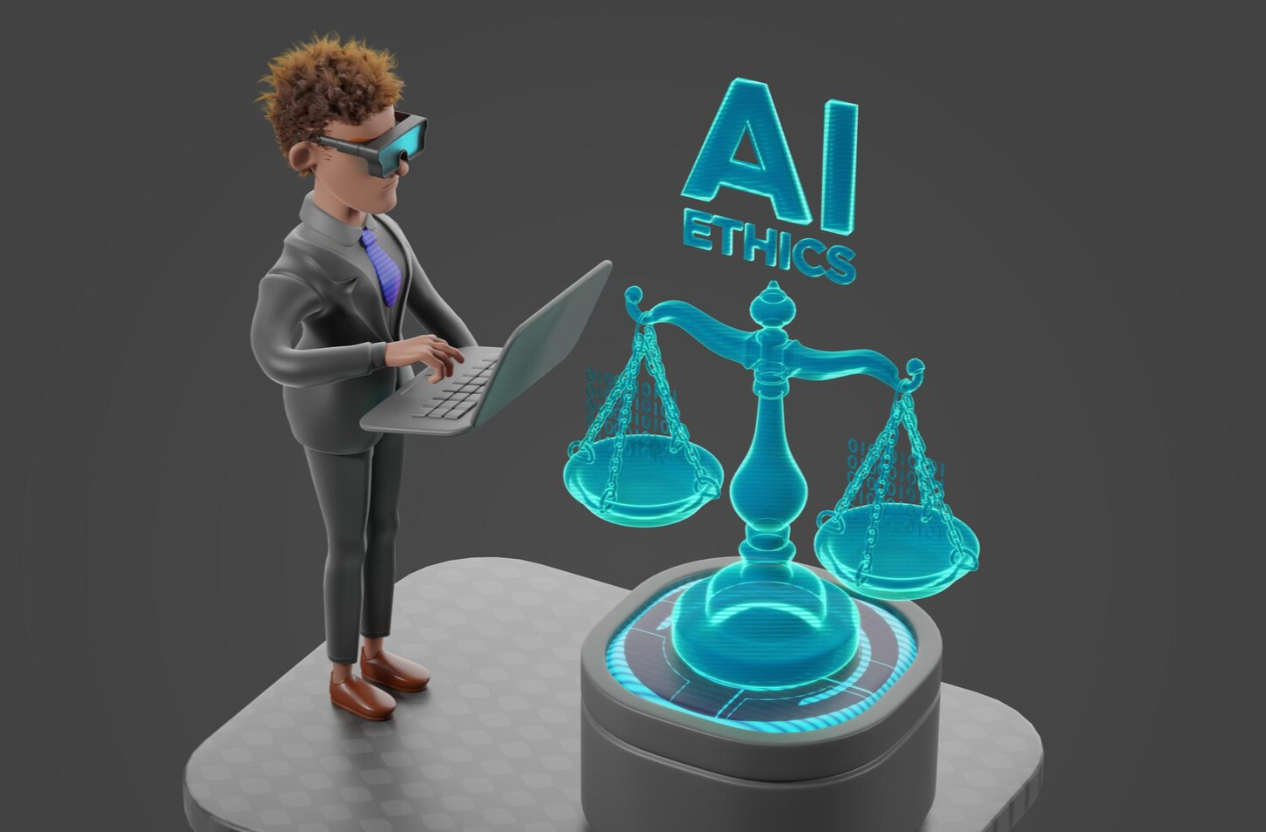
As a business leader, you can agree that AI is everywhere right now. It’s embedded into the way companies hire, manage teams, make decisions, and even plan for the future. But, even though the excitement for AI integration is high, there’s a critical need to ensure ethical AI integration in the process.
Essentially, ignoring ethics in AI integration can lead to legal complications and even public backlash if it isn’t handled correctly. Thankfully, if you’re looking to adopt AI into your business but have some questions about compliance, you’re in the right place!
In this guide, we’ll explain the important ethical considerations with AI integration, which you have to know about before you go all-in. To give you the full picture, we’ll explore both benefits, risks, and best practices to maintain compliance in your AI integration process.
Table of Contents
hide
What does ethical AI integration mean for Nigerian businesses?
In simple terms, ethical AI integration means using AI in a way that’s fair, transparent, and responsible. For decision makers or business leaders, it’s about making sure the technology you rely on isn’t doing any of the following:
- Harming people.
- Misusing data.
- Making decisions you can’t fully explain or stand behind.
For businesses, this becomes especially important the moment AI starts influencing hiring decisions, recommending candidates, analyzing employee performance, or interacting with customers. At that point, AI isn’t just a tool, it’s part of how your company makes decisions, and those decisions need to be trustworthy.
Ethical integration also means keeping humans in the loop, setting boundaries for what AI can and can’t do, and regularly checking that the system is behaving the way it should. And no, it doesn’t slow down innovation. It actually protects your business as it scales.
So when we talk about ethics and AI, we’re really talking about three things:
- being intentional with how you use AI.
- Staying accountable for its outcomes.
- Being transparent about how it works.
Legal and regulatory considerations for ethical AI integration
While Nigeria doesn’t yet have a dedicated AI law, businesses still have real legal responsibilities when using AI, especially around data privacy, automated decision-making, and transparency. Here are the key considerations you need to keep in mind:
1. Nigeria Data Protection Act (NDPA 2023) compliance
This is Nigeria’s most important law for AI users. This regulation asserts that even if the AI tool is foreign, the moment you process Nigerian personal data, the law applies. Essentially, under the Nigeria Data Protection Act (NDPA), you must:
- Be transparent about what data your AI system collects and how it uses it.
- Only process data that’s necessary (no excessive data collection for training AI models).
- Get consent where required and provide clear privacy notices.
- Implement strong security controls for any AI-powered system.
2. Sector-specific compliance
Certain industries have stricter legal obligations for data protection, and AI systems operating in these areas must be extra careful. Sector-specific laws complement the NDPA and impose additional duties like the following:
- Fintech: The Central Bank of Nigeria mandates strict governance, risk management, and consumer protection when using automated tools.
- Telecoms: The Nigerian Communications Commission requires clear consent, secure processing, and privacy compliance for AI systems interacting with subscriber data.
- Health: Patient data is highly sensitive, and as such, AI systems cannot process it without consent. Plus, you must have strong security measures to prevent misuse of this data.
- HR and employment: Employee data is personal data. AI-driven recruitment or monitoring tools must comply with NDPA rules around transparency, fairness, and accountability.
How to ensure ethical AI integration within your company
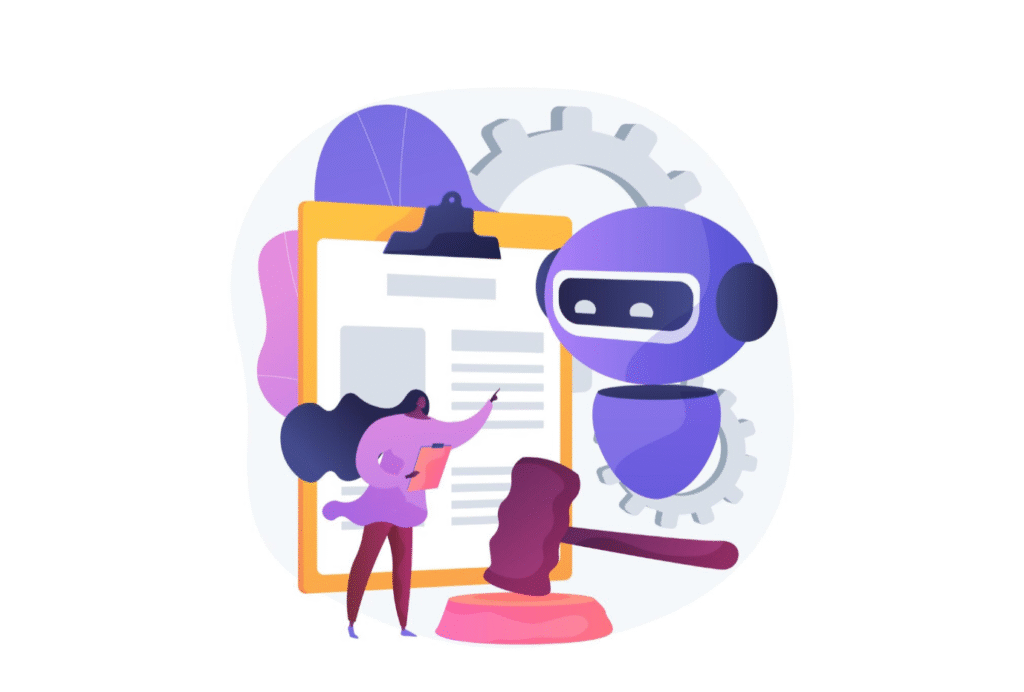
When integrating AI into your business, thinking about ethics is just as important as thinking about performance if you want to avoid costly mistakes. The following are ways to ensure ethical AI integration to make company processes fair, secure, and trusted by both employees and customers:
1. Ensure data privacy and minimization
Start by collecting only the customer data your AI system actually needs. This means you need to avoid gathering unnecessary information, because excess data increases legal and reputational risk.
To do this, first identify what to collect and then make sure you store it securely using encryption and access controls. This would prevent breaches and even reinforce your client’s trust in your company’s AI usage. Additionally, it’s always a good idea to let employees and customers know exactly how you use their data.
Finally, review your data sources and retention policies regularly to ensure that you do not store outdated or irrelevant information. By treating data with care from the start, you protect everyone’s privacy, build trust, and reduce the risks of falling out of compliance with regulations.
2. Carry out bias and fairness testing
After addressing data privacy, turn your focus to bias. AI models can unintentionally replicate patterns from historical data, creating unfair outcomes for certain groups.
To prevent this, audit your models regularly and test results across different populations. Adjust training data or model assumptions when disparities appear, and involve diverse perspectives in model design to catch hidden biases early.
It’s also important to track fairness as a measurable goal and monitor AI outputs over time to ensure consistency. This way, you can improve the accuracy of your system and foster trust among employees and customers, making your AI deployment both ethical and effective.
3. Ensure transparency throughout the process
Integrating AI into your business isn’t a process you can carry out alone. As such, it’s important that the people who work with you understand how AI makes decisions, especially when it impacts hiring, performance evaluation, or customer interactions.
For the most transparency, document how data flows through the system, how predictions are generated, and what limitations exist. This provides a reliable resource for backing up any new ideas, claims, or actions you might take during the AI adoption process.
4. Double down on security
AI systems face risks such as data breaches, manipulation, and attacks that can compromise both outcomes and privacy. So, it’s important to implement strong access controls, encrypt data, and monitor systems continuously.
Also, test your models for vulnerabilities, such as inputs designed to trick them or corrupt outputs. From the results of your testing process, set up incident response plans and conduct periodic security audits to stay ahead of threats. This ensures that your AI remains reliable and trustworthy.
5. Consider workforce impact
Implementing AI changes roles, responsibilities, and workflows, so communicate clearly about what will change and how employees will interact with AI systems. Provide training and ongoing support to help staff adapt effectively, and involve them in designing or testing AI tools to foster ownership and trust.
You can also balance efficiency with employee well-being by monitoring workloads, morale, and adoption. Managing change thoughtfully ensures AI complements human work, improves employee productivity, and strengthens engagement within your workforce instead of fear.
Take your first step towards ethical AI integration with CircleHQ
Even though it feels like it, implementing AI responsibly doesn’t have to feel overwhelming. With CircleHQ Company, you gain access to tools and expertise that guide every stage of the process, from data privacy and bias testing to transparency, accountability, and employee adoption.
Our team of experts helps you design AI systems that are fair, secure, and aligned with Nigeria’s legal requirements, so you can focus on growing your business without sacrificing trust or compliance.
This way, you can integrate ethics into your AI strategy from day one, protect your organization, and also build credibility with your team and stakeholders. Reach out to us today and let CircleHQ help you implement AI the right way.